
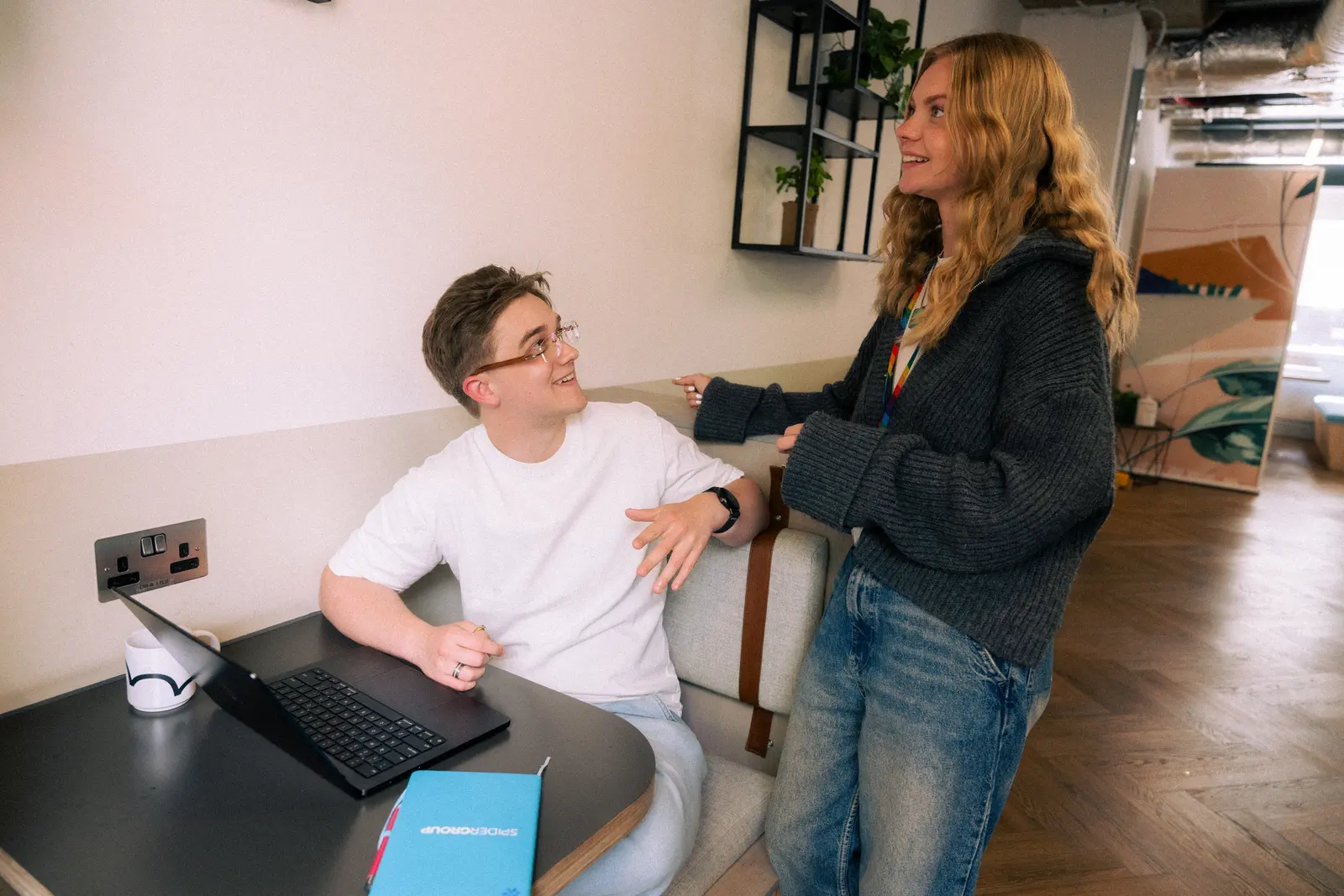


Our leadership team brings more than 30 years of combined marketing experience across strategy, creative, advertising, websites, content, and sales enablement. The point is not just time served. It is pattern recognition from seeing what actually moves a business forward.
We have worked across professional services, trades, real estate, education, hospitality, healthcare, technology, e-commerce, media, local services, and owner-led businesses with complex offers. We are strongest where the business needs clearer positioning, stronger proof, and a marketing system that can be trusted.
We built Exposure around a simple frustration: most businesses were not failing because they lacked tactics. They were spending on disconnected pieces without a clear read on what needed to happen first. The Blueprint became our way to slow the decision down, understand the business properly, and then build from a useful plan.
We do not start by selling a service. We start by understanding the business, the market, the offer, the proof, and the buyer journey. From there we can decide whether the right move is strategy, website work, advertising, content, brand, sales support, or something else entirely.
We are a focused team of strategists, creatives, writers, developers, advertisers, and trusted specialist partners. You do not get passed around a bloated agency machine. You get a clear lead, the right specialists, and a team shaped around the work your business actually needs.
Our mission is to help businesses make better marketing decisions before they spend more money. That means building clarity, trust, and proof into the system so marketing becomes less reactive and more connected to the business.
We are based in Victoria, British Columbia, with collaborators and clients across Canada, the United Kingdom, and other markets. We work remotely and strategically, which lets us build the right team around the business instead of forcing the work through one local office.
The Blueprint is the first step. It is a practical marketing plan built around your business, not a generic audit or a package menu. It helps show what to fix, what to build, what to say, and what to do next.
Yes. The Blueprint is free to start. We use it to earn trust before asking for a larger commitment. If there is a fit after that, we can shape the next scope around what your business needs and can realistically support.
No. We do not sell fixed packages as the default path. Two businesses can need the same service name and require completely different work underneath it. We use the Blueprint to decide the scope instead of forcing you into a prebuilt tier.
The Dovetail Circle is our way of making sure the pieces connect. Positioning, proof, website, content, advertising, follow-up, and sales support should not feel like separate vendors pulling in different directions. They should fit together around the customer journey.
We look at your market, your buyers, your competitors, your proof, and the way your offer is currently understood. Then we clarify what you should be known for, who you are best for, why people should believe you, and how that message should show up across the site, content, ads, and sales process.
We map how people discover you, what they need to believe before they act, where trust breaks down, and what should happen next. The goal is not a pretty diagram. It is a clearer path from attention to enquiry, sale, retention, and referral.
We structure offers around buyer value, business economics, trust, and timing. That can include clearer packages, stronger guarantees, better proof, bonuses, or a cleaner sales path. The goal is to make the offer easier to understand and easier to say yes to without relying on pressure.
We measure success against the outcome the business actually needs. That can include qualified leads, conversion rate, close rate, revenue, repeat business, visibility, proof assets, content performance, or better sales conversations. The metrics should connect to the business, not just look good in a report.
We do not promise a universal ROI number because that would be dishonest. Results depend on the offer, market, sales process, budget, timeline, and starting point. What we can promise is a clear plan, transparent reasoning, and work designed to make the next spend more intelligent.
Clarity can happen quickly. Performance depends on the work. Some fixes can improve enquiries within weeks, while SEO, content, brand trust, and bigger growth systems usually need a longer runway. We set expectations around your actual situation instead of pretending every business follows the same timeline.
Yes. We use written proof, video testimonials, project examples, and client references where appropriate. We can share the proof that best matches your business type, market, or challenge so you are not just taking our word for it.
Reporting depends on the scope, but the standard is plain-language visibility. You should be able to see what happened, what it means, what we are changing, and what decision comes next. We do not hide behind dashboards when the business needs judgement.
For websites we look at traffic quality, conversion paths, enquiries, behaviour, and technical health. For ads we track spend, leads, cost per result, conversion quality, and return signals. For email and content we track engagement, clicks, replies, assisted conversions, and the questions buyers are answering through the journey.
We talk about it directly. If something is not working, we review the assumptions, the data, the execution, and the fit. The point of the partnership is not to defend the plan at all costs. It is to keep making better decisions for the business.
We start with the Blueprint process, gather context, review what already exists, and identify the most important next steps. If we continue together, we define the scope, owners, timeline, communication rhythm, and the first priorities before execution begins.
Communication is shaped around the work. Most clients have a clear lead, scheduled check-ins, shared notes or project spaces, and direct communication when decisions need to be made. We try to keep the process calm, visible, and useful.
Implementation usually moves from recognition to planning to build to refinement. We clarify the business problem, decide the work that matters most, create or improve the assets, launch carefully, then review what the market tells us.
Reporting cadence depends on the scope. Active campaigns may need more frequent check-ins, while strategy, content, web, or brand work may use milestone reviews. The main rule is that reporting should support decisions, not become theatre.
Yes. Some clients want done-for-you support, some want their internal team enabled, and many need both. We can train teams on messaging, content, sales alignment, platforms, campaign thinking, and how to keep the marketing system consistent after launch.
Yes. We often work alongside internal teams, freelancers, developers, media buyers, sales teams, and other partners. Our role is to bring clarity and coordination so the work is not happening in disconnected lanes.
The cost is custom because the work is custom. Some businesses need a focused project, some need ongoing partnership, and some need a staged plan. The Blueprint helps us recommend a path that fits the business instead of guessing from a price table.
We can work across Google Ads, Meta, LinkedIn, YouTube, TikTok, programmatic display, and traditional media when it makes sense. The platform is not the strategy. We choose channels based on the buyer, the offer, the market, and the proof available.
We look beyond impressions and clicks. Useful advertising measurement includes cost per qualified lead, lead quality, landing page conversion, follow-up speed, sales feedback, return signals, and whether the campaign is teaching us something useful about the market.
Retargeting should not just follow people around with the same message. We build sequences around what the person has seen, what they still need to believe, and what proof or offer should come next.
We write website copy, landing pages, email sequences, sales pages, ads, video scripts, articles, case studies, offers, lead magnets, and sales-support material. The copy is written to support the larger marketing system, not just fill a page.
We study how the business already speaks, how customers describe the problem, what the market expects, and where the brand needs more confidence or clarity. Then we turn that into practical voice rules, phrases, examples, and page-level copy.
Yes. We build email sequences for lead nurture, sales follow-up, onboarding, reactivation, referrals, launches, and long-term education. The goal is to make follow-up useful and timely, not just automated.
We design websites around clarity, trust, proof, search visibility, and conversion. A good website should help the right person understand what you do, why it matters, why they should believe you, and what to do next.
We improve conversion by clarifying the offer, strengthening proof, reducing friction, tightening calls to action, improving page structure, and reviewing real behaviour. Conversion is rarely one button colour. It is usually a trust and clarity problem.
We work on technical SEO, site structure, on-page optimisation, internal linking, content strategy, local visibility, schema, and AI answer readiness. The goal is to make the business easier to find and easier to understand once it is found.
Social media work can include strategy, content planning, post creation, short-form video, publishing, community response, and performance review. We focus on content that supports trust and business development rather than posting for the sake of activity.
Reputation management means making proof easier to collect, easier to see, and easier to trust. That can include review generation, testimonial capture, response guidance, proof placement, and monitoring for issues that could affect buyer confidence.
We help collect written and video testimonials, shape useful prompts, edit proof assets, and place them where they support real buying decisions. A strong testimonial should reduce doubt, answer an objection, or make the outcome more believable.
Incentives can work when they fit the audience and offer, but we do not use them as a shortcut for weak positioning. If an incentive is appropriate, it should support a real buying journey and be tracked against lead quality, not just response volume.
We create guides, audits, calculators, scorecards, checklists, video trainings, reports, templates, workshops, and assessment tools. The right lead magnet should attract the right prospect and naturally lead into the next conversation.
We can support testimonial videos, brand stories, educational videos, social clips, product or service explainers, webinars, ads, and sales videos. The format depends on where the video needs to work and what belief it needs to build.
Visual branding starts with positioning, not decoration. We define what the brand needs to communicate, then shape identity elements such as logo, colour, type, layout, photography style, and design rules so the brand feels consistent and credible.
We produce static ads, carousels, short videos, long-form video ads, landing page creative, native content, motion graphics, and platform-specific variations. Creative is planned around message, proof, audience, and where the person is in the decision process.

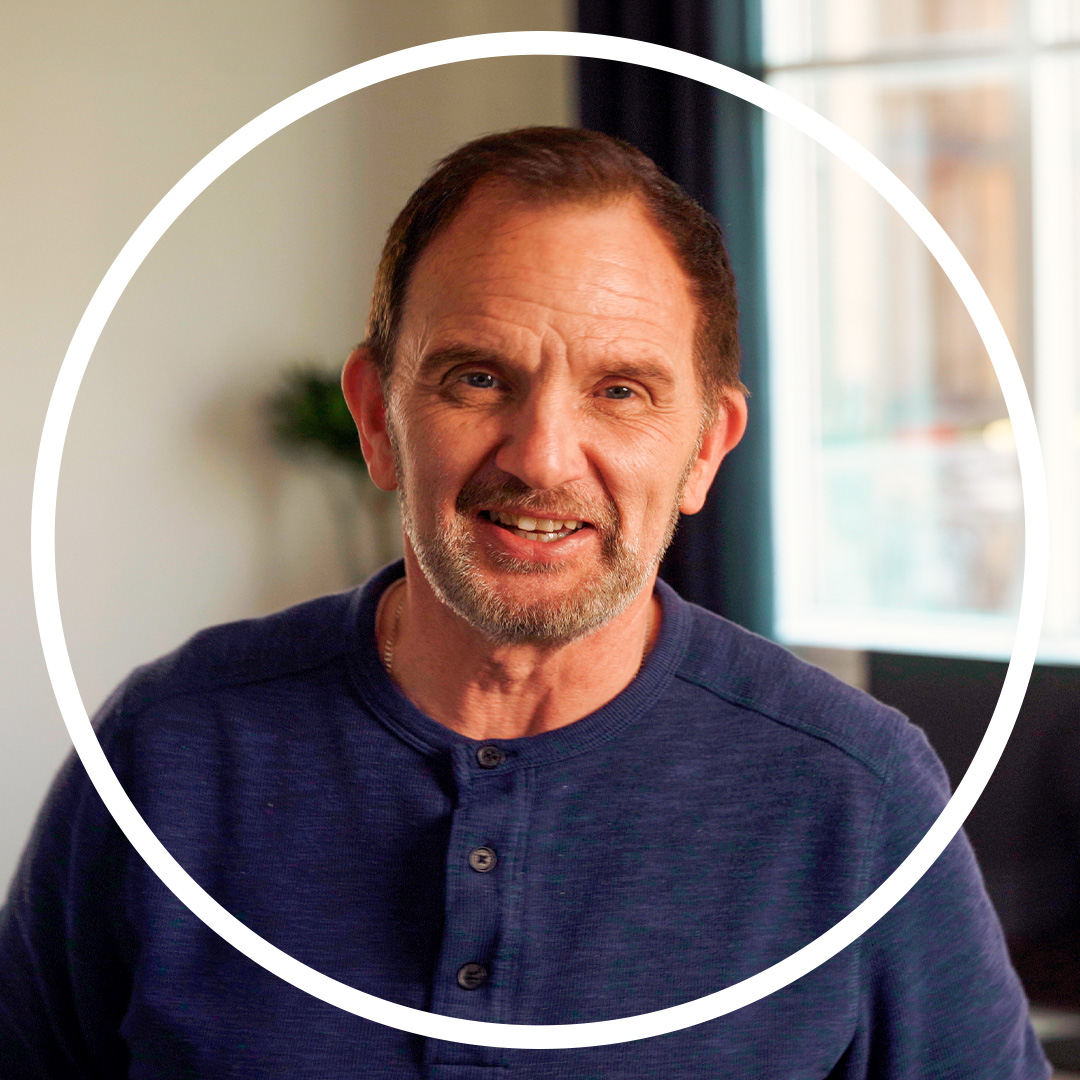 Glenn
Founder
Glenn
Founder